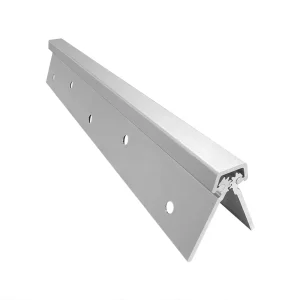
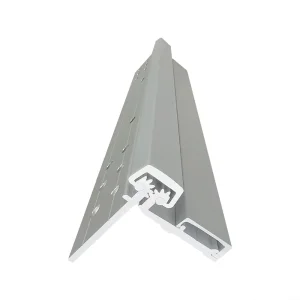
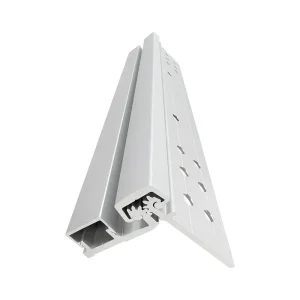
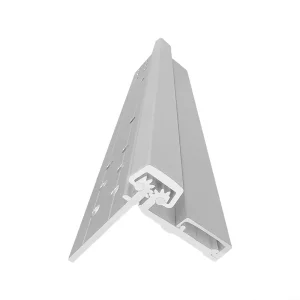
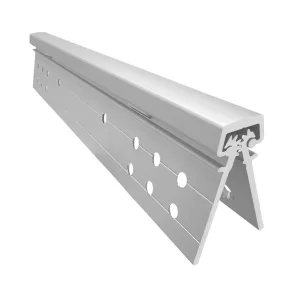
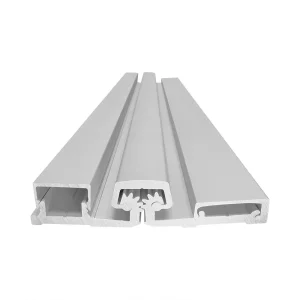
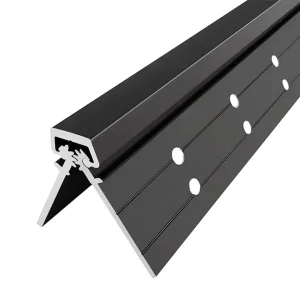
Explore our certified continuous, geared, and custom configured heavy-duty aluminum hinges designed to deliver ultimate shear strength and lifecycle longevity.
In modern industrial design, structural fastening has increasingly migrated away from traditional mechanical fasteners toward direct weld-on profiles. When dealing with aluminum structures—particularly in lightweight heavy-duty settings such as high-speed trains, aerospace shipping modules, marine bulkheads, and military vehicles—the customized aluminum weld-on hinge has emerged as an indispensable standard. Welding a hinge directly to an aluminum chassis or extrusion profile establishes a continuous metallurgical joint, ensuring maximum shear strength and load distribution while eliminating stress points typical of screw or rivet assemblies.
However, welding aluminum poses unique metallurgical challenges. Unlike steel, aluminum possesses high thermal conductivity and a low melting point, which can cause significant heat-affected zone (HAZ) softening. By working with a professional customized manufacturer like LvXing Intelligent Equipment, global engineers gain access to precise metallurgical matching. Utilizing optimized heat treatment tempers (such as T5 or T6) and specialized aluminum alloys enables customized weld-on hinges to maintain high post-weld joint integrity. Our hinges are engineered to handle the cyclic stress patterns, dynamic loads, and thermal expansion fluctuations that define industrial hardware deployments.
Max Extrusion Capacity
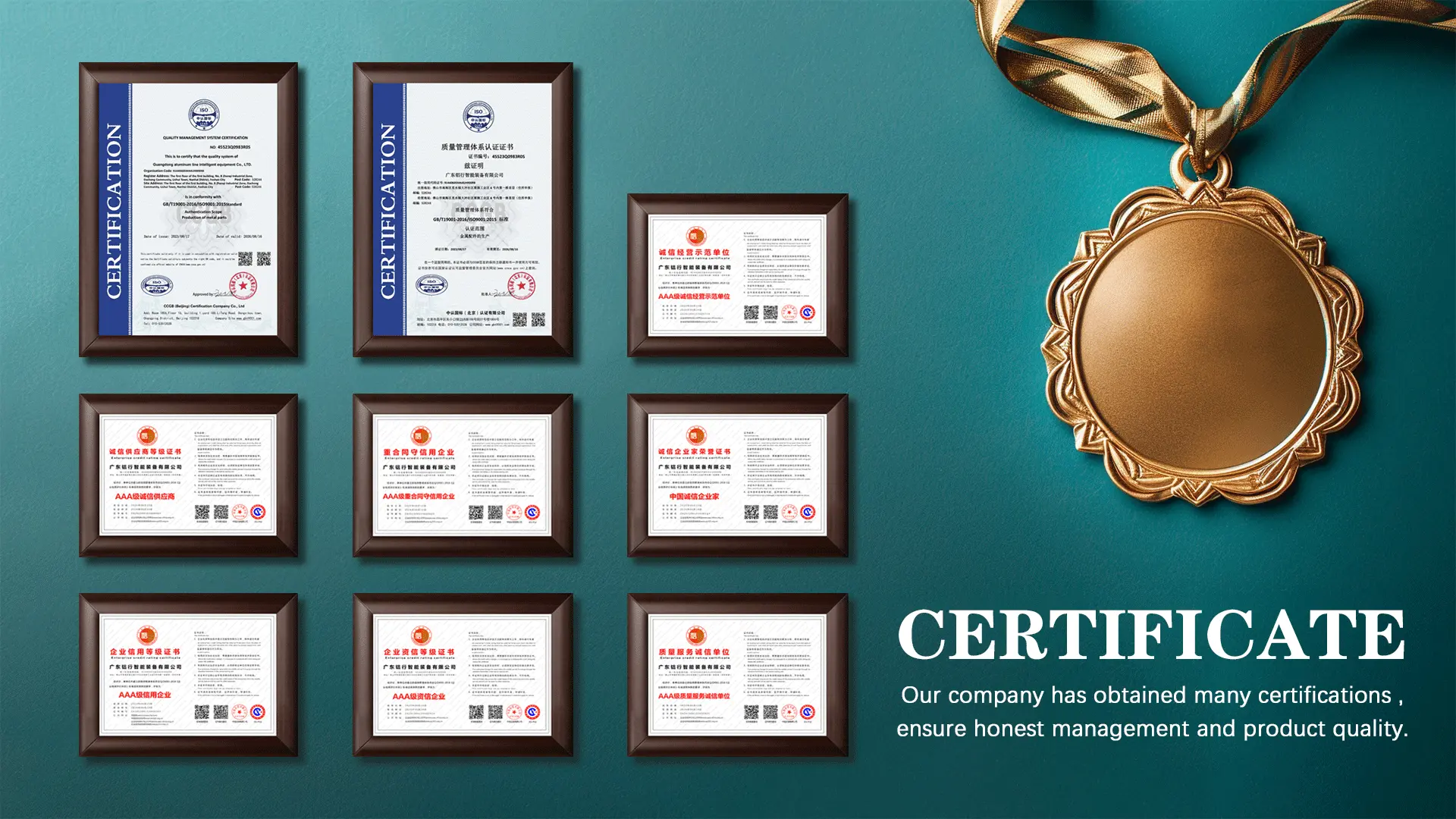
ISO9001:2015 Certified
Max Profile Width
Technician Team Experience
Established in 2015 and located in the prominent industrial hub of Foshan City, Guangdong, LvXing Intelligent Equipment Co., Ltd. has grown to become a benchmark manufacturer in the custom aluminum fabrication sector. Boasting a highly skilled research and development team, we combine exceptional technical expertise with state-of-the-art machinery to transform complex engineering designs into high-precision reality.
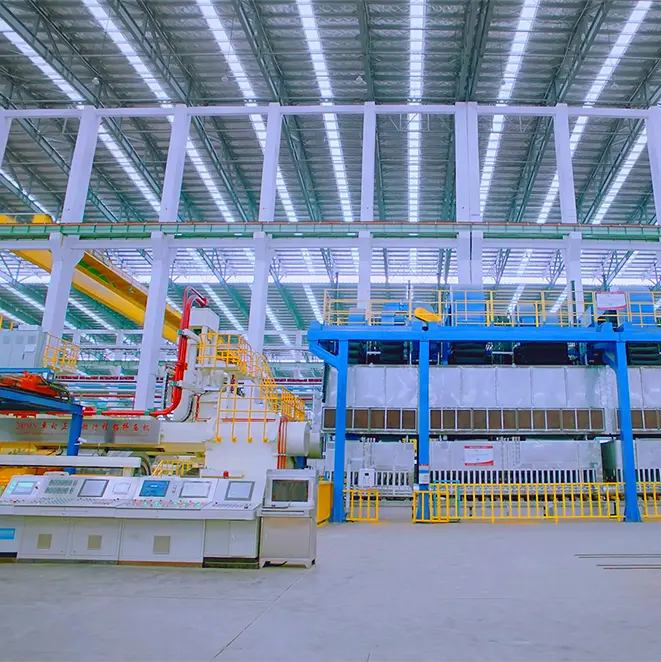
Our operation relies on a strategic partnership with Fenglu Aluminum, a premier brand recognized for superior alloy composition and purity. This relationship grants us access to premium-grade aluminum billets, allowing us to offer an extensive array of profiles for highly flexible and demanding applications. Our extrusion capacity spans lines from 800T to 20,000T. This scale of infrastructure enables us to process and extrude across a vast spectrum of alloy series including 1xxx, 2xxx, 3xxx, 5xxx, 6xxx, and 7xxx alloys.
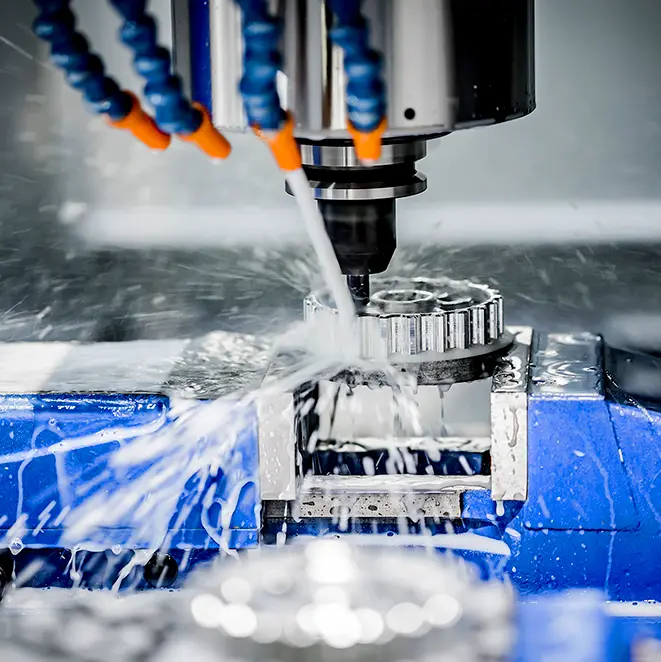
With this hardware capacity, we produce custom profiles and components featuring section dimensions of up to 1.2 meters in width and 28 meters in length. Such massive dimensions and precision processing are critical for advanced aerospace structures, marine hulls, military fortifications, and high-performance industrial machinery.
Our commitment to material integrity and safety standards is verified by our acquisition of the prestigious "Special Aluminium Materials for Aerospace" Certificate. This ensures that every weld-on hinge destined for aviation, military defense, or safety-critical transport meets extreme load limits and zero-defect quality thresholds.
Our extrusion capabilities permit the creation of specialized alloys (from high-ductility 5xxx marine series to high-strength 7xxx aerospace series) configured up to 1.2m wide and 28m long. We ensure structural consistency across the entire grain boundary of the extrusion.
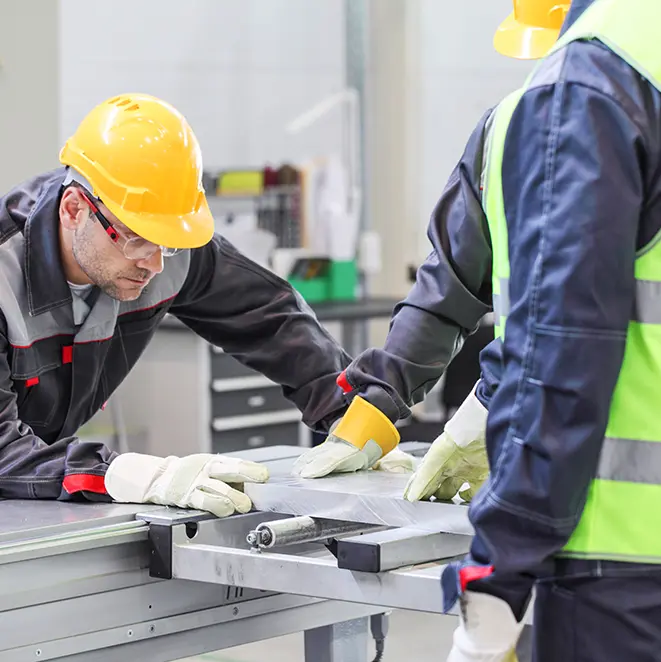
Our technical team leverages over 15 years of industry experience. This deep engineering expertise allows us to anticipate design flaws, identify potential thermal expansion issues during welding, and offer practical, cost-effective adjustments that align with your exact specifications.
Procuring custom weld-on aluminum hinges from China—specifically from the Foshan industrial cluster—delivers significant structural and economic advantages for international OEMs, Tier 1 system suppliers, and procurement teams:

We possess the elite "Special Aluminium Materials for Aerospace" Certificate, verifying class-leading mechanical reliability.

By working with premium Fenglu billets, we extrude 1xxx-7xxx series profiles up to 1.2m wide and 28m long.

Our seasoned engineers translate hand-sketched designs and technical ideas into functional, manufacturing-ready products.
Customized weld-on aluminum hinges are critical components across high-performance, weight-sensitive sectors. By welding these hinges directly to aluminum structures, engineers resolve structural issues like localized stress, vibration fatigue, and structural misalignment.
In aerospace structures and military transport containers, minimizing dead weight is vital for fuel efficiency and payload range. Customized weld-on hinges constructed from high-tensile 7xxx and 6xxx series aluminum provide the structural strength of steel at one-third of the weight. Directly welding the hinges to structural ribs ensures air-tight sealing and avoids the loosening risks associated with heavy vibrations during flight or rough transport.
Marine environments require materials with high corrosion resistance. Standard steel hinges degrade quickly in saltwater spray, leading to seized pins and structural failures. Our customized weld-on hinges, fabricated using magnesium-stabilized 5xxx series alloys (such as 5083 or 5086), are highly resistant to saltwater corrosion. Welding the hinge onto aluminum bulkheads or hatch doors prevents crevices where marine organisms or saltwater can collect, extending the operating life of the installation.
The global push for fuel economy and electric vehicle (EV) range has made lightweighting essential. In railway cars, EV bus battery compartments, and aluminum utility trailers, weld-on hinges are the preferred solution for toolboxes, access doors, and cargo tailgates. They absorb high-frequency road vibrations without loose fasteners, offering a clean aesthetic, aerodynamic profile, and reliable performance.
For cleanrooms, solar energy trackers, and heavy-duty robotic enclosures, customized weld-on hinges ensure precise, zero-sag operation. Our 15-year engineering team works directly with system designers to develop internal hinge profiles that conceal wiring or gas struts, improving safety and reliability in automated factory setups.
As advanced manufacturing practices evolve, the requirements for industrial hardware are shifting toward higher precision, material purity, and integrated functionality:
1. Adoption of Friction Stir Welding (FSW) Alloys: Traditional MIG and TIG welding can soften the area around the weld. More manufacturers are utilizing Friction Stir Welding (FSW) to join structural hinges. This solid-state joining process reduces thermal distortion and preserves the mechanical properties of the aluminum alloy. We design custom weld-on hinges with flat profiles tailored for FSW clamping tools.
2. Advanced Anodic Coating Standards: Industrial buyers now request thicker anodized surfaces (exceeding Class I 18-micron standards) to protect hardware in corrosive environments. We provide customized clear, black, and bronze hard-coat anodizing, ensuring the hinge surfaces resist wear over hundreds of thousands of cycles.
3. Smart Hinge Integration: Industry 4.0 has driven demand for hinges with integrated position sensors, angle dampeners, and hidden routing paths for power cables. Our engineering team designs custom profiles that accommodate integrated micro-switches and pneumatic lines for automated enclosures.
When sourcing custom weld-on aluminum hinges, procurement teams should evaluate more than just pricing. Ensuring long-term reliability and compliance with international standards requires checking several key factors:
Browse our core inventory. Contact our engineering team for customized modifications, specific lengths, or custom alloy runs.
 LvXing Hinges