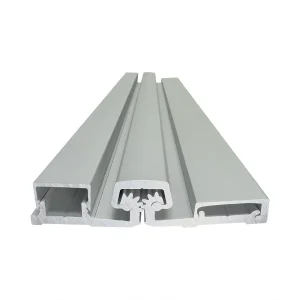
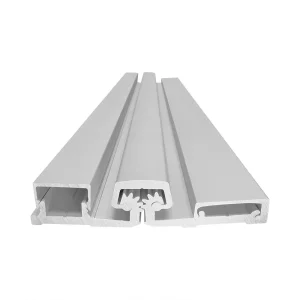
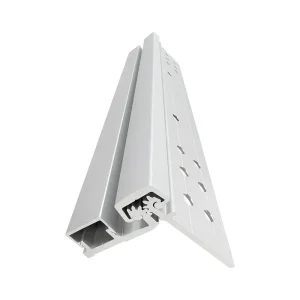
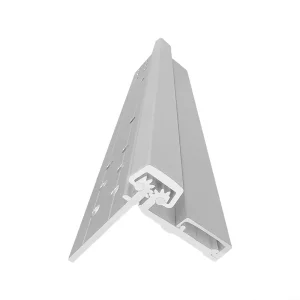
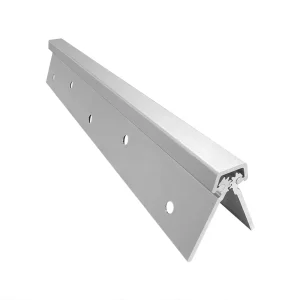
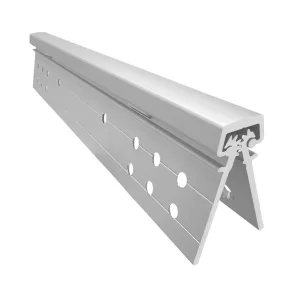
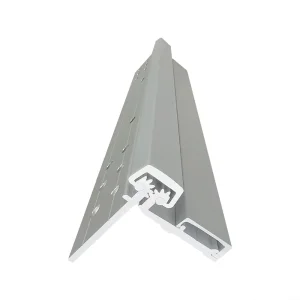
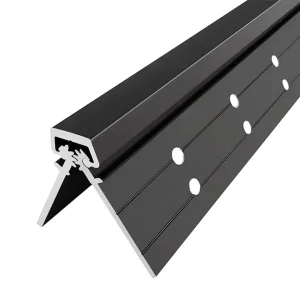
Select from our standard ranges or contact our engineering team to develop custom configurations optimized for heavy duty installations.
Industrial designs demand high-performing hardware that combines light weight, strength, and corrosion resistance. Weldable aluminum hinges have emerged as critical components in industrial sectors, including aerospace enclosures, military defense structures, specialized marine vessels, and heavy transport. Unlike traditional mechanical hinges, which rely on bolt connections that can loosen under vibration, weldable hinges fuse with structural frames to form integrated units.
Aluminum alloys present challenges during fabrication, such as Managing Heat-Affected Zones (HAZ) and maintaining microstructural integrity. The industrial market demands precise material composition, consistent dimensional tolerance, and advanced surface finishes. Utilizing premium architectural and aerospace-grade aluminum, manufacturers supply weldable hinge setups engineered to endure severe mechanical stresses while offering weight savings over stainless steel alternatives.
In the global supply chain, regional standards dictate engineering choices. In North America and Europe, stringent regulatory bodies demand traceability certifications, including EN 10204 Type 3.1 and material analysis reports. These markets focus on custom weldable hinges for high-speed trains, electrical utility enclosures, automated manufacturing cleanrooms, and offshore marine bulkheads.
In emerging industrial markets in the Asia-Pacific region, rapid infrastructure growth drives demand for bulk, high-quality hardware. Infrastructure projects, from specialized transport containers to commercial cleanrooms and maritime ships, rely on high-durability weldable aluminum hinges. These projects require long-lasting, rust-free operation in humid and saline environments, necessitating high-grade marine alloys (such as 5xxx and 6xxx series profiles).
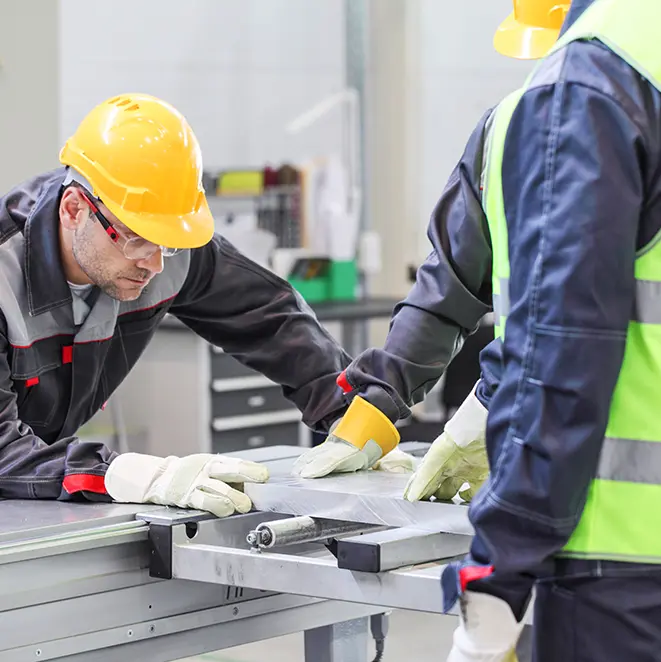
Foshan, located in Guangdong, stands as a global hub for aluminum extrusion manufacturing. This cluster hosts integrated supply lines that link raw material preparation, alloy compounding, tooling development, extrusion, precision machining, and surface finishes within a concentrated region.
This infrastructure enables manufacturers to customize profiles efficiently. The synergy between regional foundries and machining facilities cuts tooling development times, allowing custom weldable hinge profiles to move from CAD design to prototype testing quickly. This structural efficiency keeps production costs competitive, helping global procurement managers source high-quality components within budget constraints.
Established in 2015 and located in Foshan City, Guangdong, LvXing Intelligent Equipment Co., Ltd. features an experienced R&D team. We apply technical expertise to convert clients' designs into reality, consistently meeting their specifications.
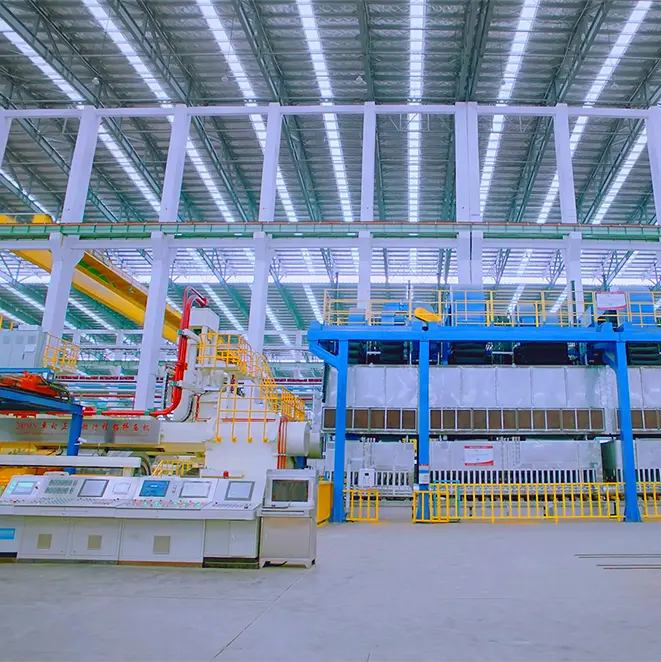
We use premium Fenglu aluminum, providing a diverse range of profiles for flexible applications. Our extrusion lines, ranging from 800T to 20,000T, accommodate alloys in the 1xxx, 2xxx, 3xxx, 5xxx, 6xxx, and 7xxx series. This equipment allows us to manufacture custom shapes with section dimensions up to 1.2 meters in width and 28 meters in length. These products are known for their precision and detailed processing, and they are used in the aerospace, military, medical, and industrial sectors.
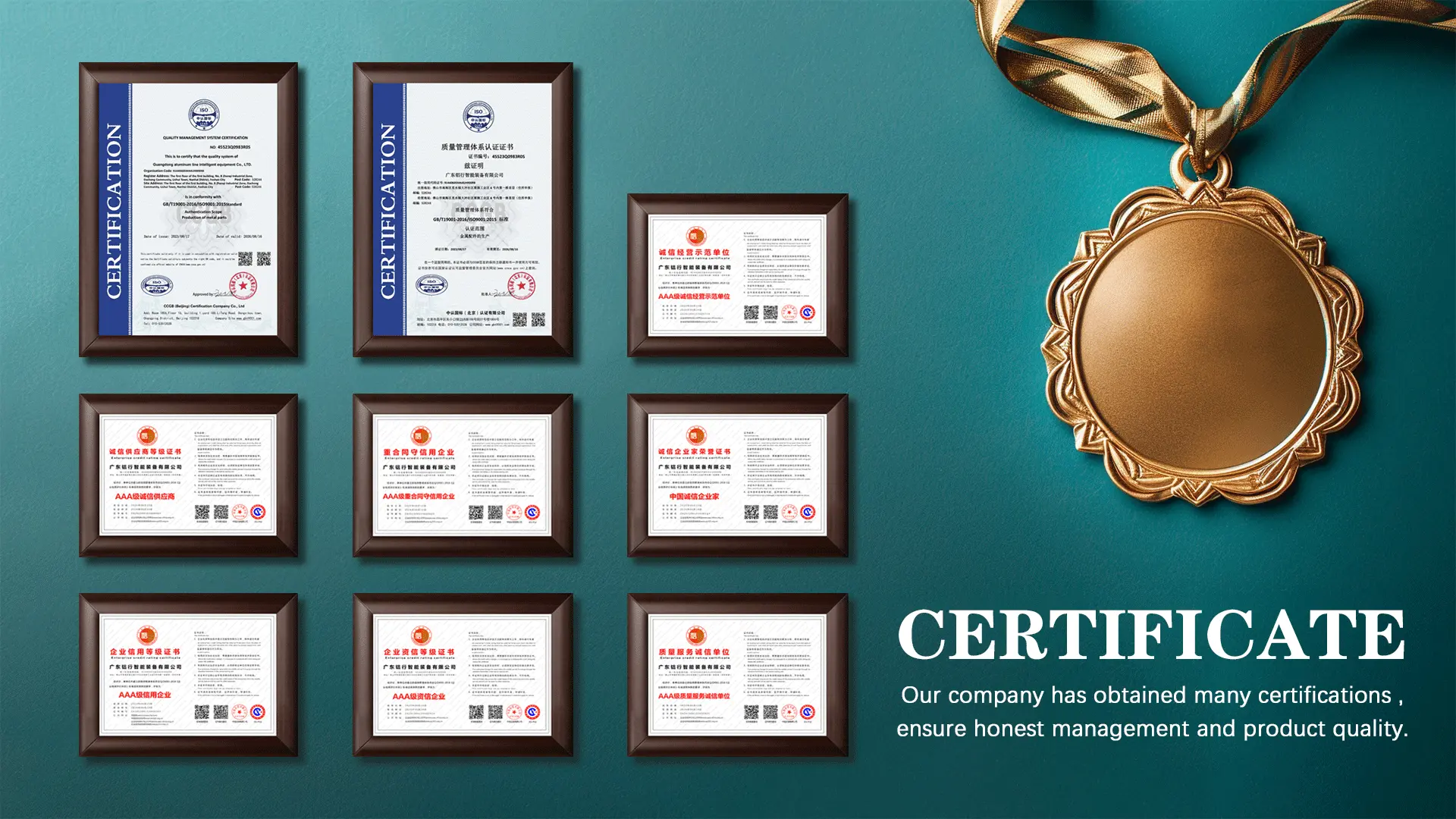
Our team monitors the manufacturing process, quality control, packaging, and shipping procedures. This effort has earned us recognition as an honest enterprise, along with quality system certification in accordance with GB/T19001-2016/ISO9001:2015 standards.

We have obtained the "Special Aluminium Materials for Aerospace" Certificate, confirming our ability to supply materials that meet stringent industry specifications.

Using premium Fenglu profiles and extrusion lines from 800T to 20,000T, we manufacture alloys from 1xxx to 7xxx series up to 1.2m wide or 28m long.

Our technicians bring 15 years of industry experience to analyze requirements, identify design challenges, and deliver practical insights for optimal hardware performance.
Selecting the correct aluminum alloy for a weldable hinge requires understanding material chemistry. Since weldable hinges are welded directly to the frame or panel, the alloy must match the base structure's composition to prevent galvanic corrosion and ensure weld strength.
| Alloy Series | Key Characteristics | Weldability Rating | Common Applications | |
|---|---|---|---|---|
| 5xxx Series (e.g., 5083, 5086) | Alloyed with Magnesium. Excellent corrosion resistance in seawater and high strength. Non-heat treatable. | Outstanding (using 5xxx filler alloy) | Marine vessel construction, oil and gas platforms, cryogenic tankers. | Ideal for coastal areas and chemical processing plants. |
| 6xxx Series (e.g., 6061, 6063, 6082) | Alloyed with Silicon and Magnesium. Heat treatable. Balanced strength, corrosion resistance, and machinability. | Good (requires filler like 4043 or 5356) | Structural frames, heavy-duty transport, automated cleanrooms. | The standard choice for architectural and general engineering hinges. |
| 7xxx Series (e.g., 7075) | Alloyed with Zinc. High tensile strength, similar to structural steel. Heat treatable. | Poor (requires specialized processes) | Aerospace structures, military defense gear, high-stress parts. | Usually joined mechanically; welding requires strict heat management to prevent cracking. |
A primary engineering consideration when welding heat-treatable alloys, such as the 6xxx series, is the reduction in strength within the Heat-Affected Zone (HAZ). During welding, temperatures exceed the alloy's tempering range, which can reduce tensile strength near the weld joint.
Our engineering team addresses this by optimizing the hinge profile's wall thickness and geometry, compensating for the expected strength reduction in the HAZ. Additionally, using low-heat input welding methods (such as TIG/MIG with pulsed currents) or post-weld artificial aging can restore mechanical properties, ensuring the structural stability of the hinge assembly.
Industrial buyers must balance unit cost, quality standards, supply chain reliability, and technical support. When sourcing weldable aluminum hinges, procurement teams look for suppliers who provide comprehensive support, including raw material certifications, dimensional reports, and cycle-test data.
LvXing Intelligent Equipment Co., Ltd. addresses these needs through transparent documentation, prototype testing, and manufacturing capability. Leveraging our 20,000T extrusion press and 15 years of technical experience, we help clients optimize hinge designs to reduce weight, decrease machining times, and improve weld quality.
Many projects require custom shapes that standard catalog items cannot satisfy. We design and manufacture custom molds in-house. Our technicians evaluate the required hinge profile, choosing the appropriate alloy and temper (such as T5 or T6) to meet the application's mechanical load requirements.
Here are responses to common technical questions regarding the design, welding, and cost of aluminum hinges.
Review technical specifications or request a quote for your project requirements.
 LvXing Hinges