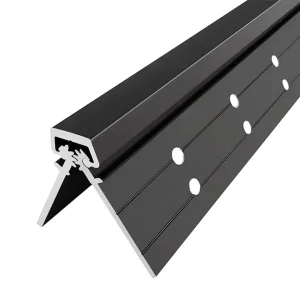
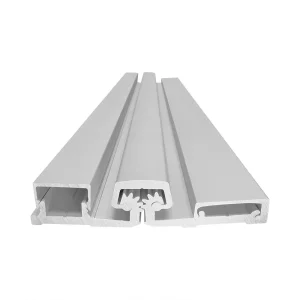
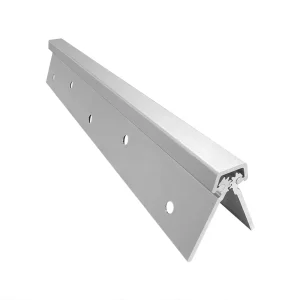
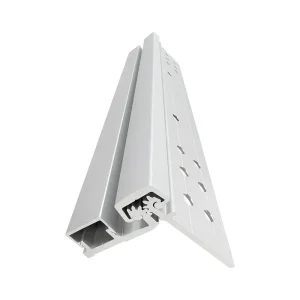
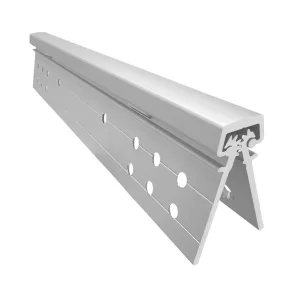
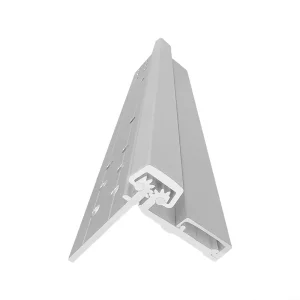
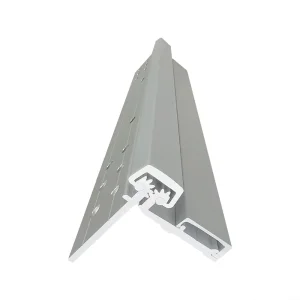
In the modern manufacturing landscape, the demand for lightweight, high-performance components has skyrocketed. Industry sectors such as electric vehicle (EV) manufacturing, marine vessel construction, and military infrastructure are actively phasing out traditional heavy steel components in favor of advanced aluminum configurations. Custom weld-on aluminum hinges play a pivotal role in this transition. By using high-grade extrusion processes, these hinges offer an exceptional strength-to-weight ratio, allowing engineers to minimize structural deadweight without compromising load capacity or security.
Furthermore, the natural oxide film layer on aluminum surfaces provides inherent corrosion protection. This makes weld-on aluminum components highly attractive for marine applications, coastal infrastructure, and specialized transit vehicles where exposure to moisture, salt spray, and chemicals would rapidly compromise carbon steel alternatives.
Weld-on hinges represent the standard for permanent, heavy-duty applications. Unlike bolt-on hinges that create localized stress concentrations and require pre-drilled holes (which can act as moisture pathways and crack initiation sites), weld-on hinges form a direct metallurgical bond with the parent metal.
Using modern Gas Metal Arc Welding (GMAW/MIG) or Gas Tungsten Arc Welding (GTAW/TIG) techniques, welders can integrate the hinges seamlessly onto aluminum gates, doors, chassis, and pressure vessels. Using compatible filler alloys, such as ER4043 or ER5356, ensures the heat-affected zone (HAZ) retains robust mechanical properties, satisfying stringent engineering requirements for dynamic structural shear and tensile performance.
Utilizing high-tonnage extrusion systems ranging up to 20,000T enables the creation of complex cross-sectional hinge profiles with structural consistency.
Leveraging 1xxx through 7xxx series alloy configurations allows customization of thermal conductivity, tensile strength, and anodizing capabilities.
Equipped with specialized internal pins (brass, stainless steel) and low-friction polymer bushings to prevent galvanic corrosion at the joints.
Established in 2015 and located in Foshan City, Guangdong, LvXing Intelligent Equipment Co., Ltd. boasts a skilled R&D team with extensive experience. We leverage exceptional technical expertise to effectively transform customers' ideas into reality, consistently meeting their precise requirements.
We utilize premium Fenglu aluminum, offering a diverse range of profiles for flexible applications. Our extrusion lines, ranging from 800T to 20,000T, accommodate alloys 1xxx, 2xxx, 3xxx, 5xxx, 6xxx, and 7xxx, allowing us to produce shaped products with section dimensions up to 1.2 meters in width and 28 meters in length. These products are recognized for their precision and meticulous processing, finding broad application in aerospace, military, medical, and industrial sectors.
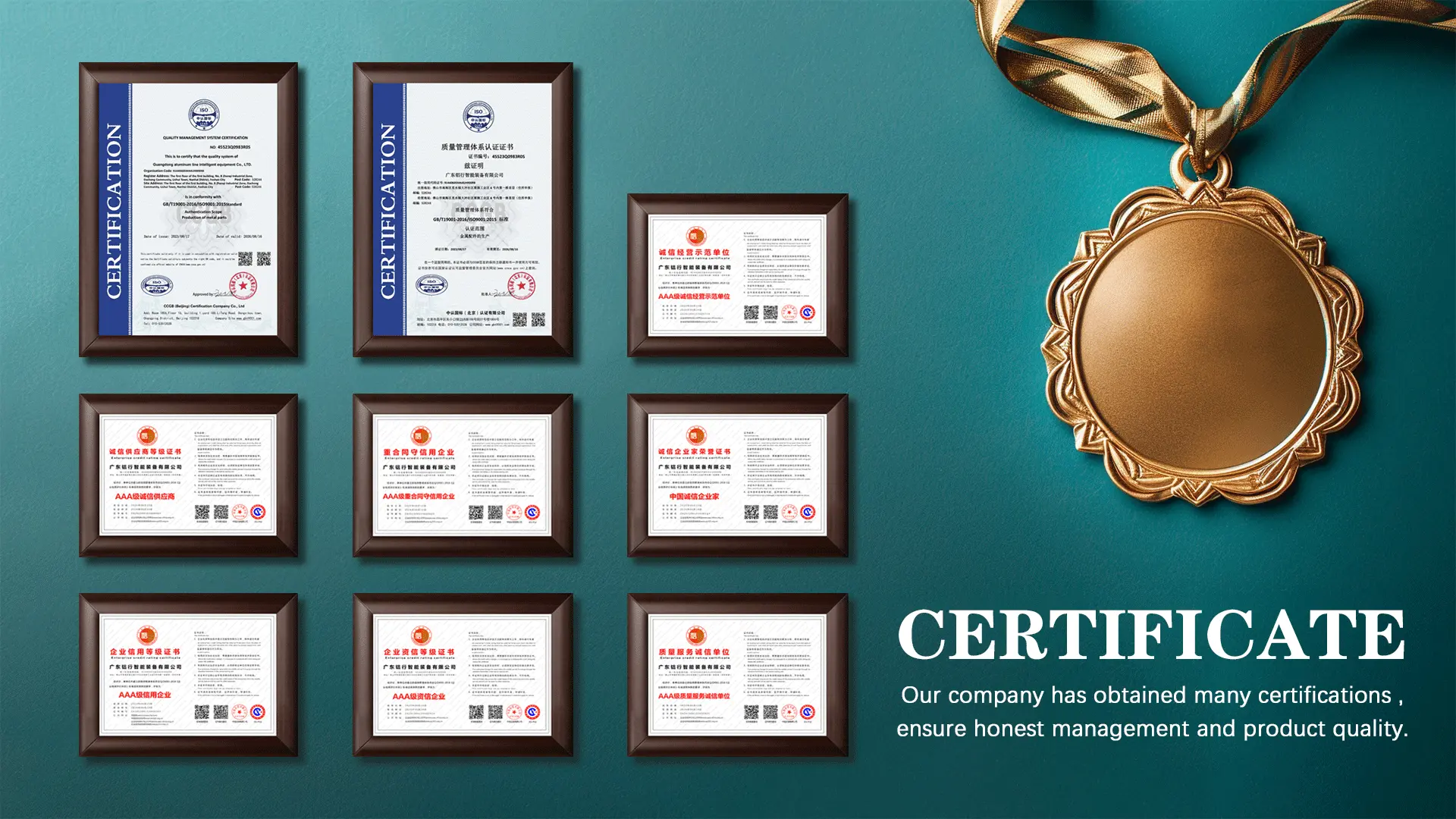
Our commitment to excellence is evident throughout the manufacturing process, rigorous quality control, thorough packaging, and efficient shipping procedures. This dedication has earned us recognition as a national excellent and honest enterprise, along with quality system certification in accordance with GB/T19001-2016/ISO9001:2015 standards. We aspire to be your trusted business partner and warmly invite you to visit our factory.
Foshan City in Guangdong province represents the epicenter of global aluminum extrusion technology. Over several decades, the region has evolved a highly integrated cluster of raw material smelting, die design, precision toolmaking, custom extrusion, surface finishing, and quality testing services.
For global industrial buyers, sourcing from a Factory 4.0 enterprise like LvXing Intelligent Equipment offers three distinct strategic advantages:
Max Extrusion Capacity
Engineering Experience
Max Extrusion Section Width
Quality Certification Standards

We have obtained the "Special Aluminium Materials for Aerospace" Certificate, representing the absolute pinnacle of structural purity, strength consistency, and dimensional accuracy in the aluminum industry.
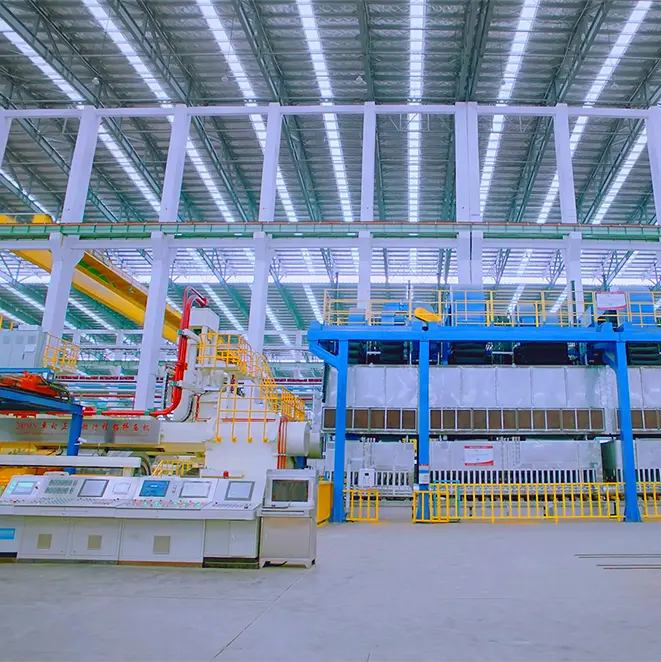

We provide and utilize high-quality Fenglu aluminum profiles. With extrusion lines ranging from 800T to 20,000T, we can produce alloys 1xxx, 2xxx, 3xxx, 5xxx, 6xxx, and 7xxx up to 1.2m wide or 28m long.
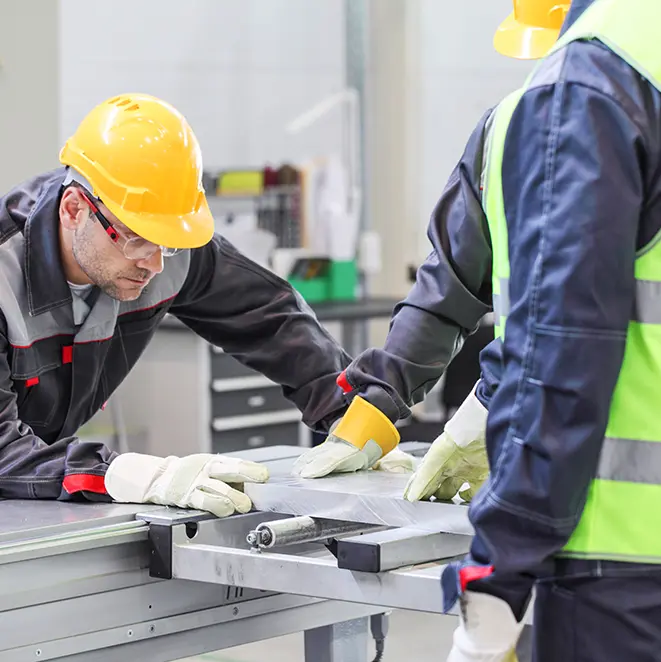

We have a team of technicians with 15 years of invaluable experience. Our deep understanding of customer requirements allows us to identify potential issues and offer practical insights for real-world products.
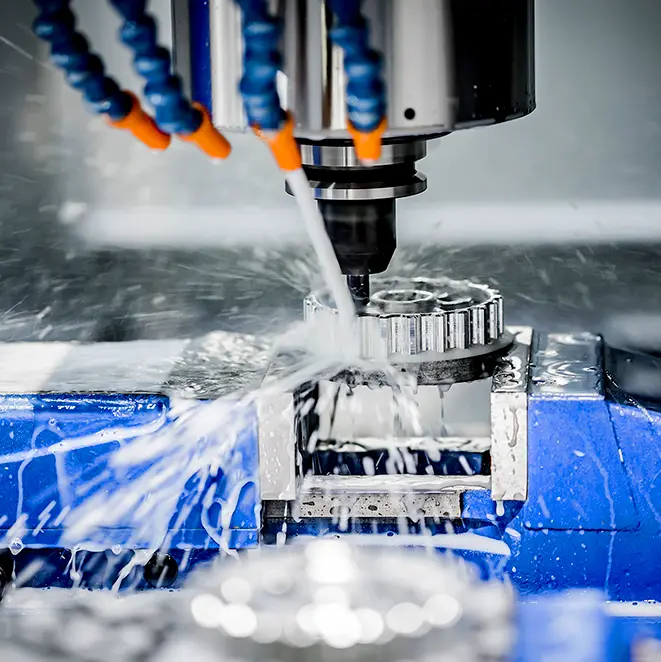
In offshore structures, ports, marine vessels, and seaside warehousing, saltwater-induced corrosion is a continuous threat to operational safety. Traditional iron or steel hinges require constant lubrication, repainting, and eventual replacement. Weld-on marine-grade aluminum hinges (using 5xxx or 6xxx alloys) eliminate these issues. By welding the hinge bodies directly to marine aluminum doors and hatchways, technicians create water-resistant closures that survive harsh oceanic exposure without structural degradation.
Weight optimization directly correlates with fuel efficiency and cargo capacity in the transport industry. Custom weld-on aluminum hinges are extensively utilized on cargo trailer doors, folding sideboards, utility truck bodies, and access panels. Welding the hinge assemblies straight to the aluminum frames distributes structural stress evenly along the pillars, preventing loose fasteners and panel misalignment caused by highway vibrations.
High-tech manufacturing, cleanroom facilities, and aerospace ground control installations require dust-free, non-magnetic, and clean environments. Weld-on aluminum hinges do not shed iron oxide particles or rust scale, which maintains cleanroom integrity. Additionally, for specialized military and aerospace cabins, aluminum’s non-magnetic characteristics prevent electromagnetic interference (EMI) with delicate monitoring gear and flight control systems.
For external security gates protecting electrical substations, municipal facilities, and water purification plants, weld-on hardware ensures maximum security. Because the hinges are welded to the gate post and frame, they cannot be unbolted or pried off by vandals, providing an excellent anti-tampering mechanical barrier.
As a premier Chinese aluminum hinge supplier, our pricing model is transparent, data-driven, and structured around key raw material, engineering, and configuration metrics:
| Alloy Grade & Temper | Best Suited Applications | Pricelist Drivers | Performance Grade |
|---|---|---|---|
| 6061-T6 Aluminum | General Industrial, Structural Framing, Enclosures | Standard Extrusion Profile Cost + Pin Materials | High Structural |
| 5083-H111 Marine | Shipbuilding, Offshore Platforms, Chemical Tanks | Alloy Surcharge + Specialized Weld Prep Detailing | Corrosion Resistant |
| 7075-T6 Aerospace | Aerospace Panels, Heavy-Duty Military Enclosures | Premium Alloy Base + Ultra-Tight CNC Tolerances | Ultra-High Strength |
| Custom Anodized | Architectural Fixtures, Cleanrooms, High-End Enclosures | Surface Passivation Processing + Coating Microns | Enhanced Finish |
To generate an accurate price quote, our sales and engineering team evaluates: 1) Total Volume: Bulk structural runs benefit from automated manufacturing efficiencies. 2) Extrusion Complexity: Profile shape determines custom die fabrication setup costs. 3) Internal Components: Integration of specialized stainless steel pins, bronze washers, or low-friction polymer bushings. 4) Testing Requirements: Additional quality evaluations such as non-destructive testing (NDT), ultrasonic testing, or salt spray testing protocols.
Warping occurs due to rapid thermal expansion and contraction. To prevent warping, employ proper heat-sinking materials during the process, clamp the weld-on hinges securely, use stitch welding techniques rather than continuous long welds, and keep heat input minimal by using GMAW/MIG pulsing or GTAW/TIG with appropriate filler alloys like 4043 or 5356.
Alloy 6061-T6 is the industry standard for general construction because of its great weldability and mechanical strength. For marine applications, 5083 or 5086 is chosen for its superb corrosion resistance. In high-stress or aerospace structures, 7075-T6 may be chosen, though special welding procedures are needed for high-strength 7xxx series.
A continuous geared hinge spreads the door weight across the entire height of the frame. Depending on the extrusion wall thickness and alloy choice (such as heavy-duty 6063-T6), customized configurations can easily support heavy industrial doors and gates weighing up to 1,000 lbs (450+ kg) without sagging or wearing out.
LvXing maintains aerospace-grade quality by purchasing certified raw billets, enforcing traceable melt batch numbers, conducting chemical testing via optical emission spectrometers, and executing strict mechanical testing. Our systems conform to ISO9001:2015 standards, and we hold specific aerospace-grade aluminum manufacturing certificates.
Galvanic corrosion occurs when two different metals contact each other in the presence of an electrolyte (like moisture). We prevent this by inserting non-conductive polymer bushings (like Teflon or Delrin) or choosing passivated stainless steel pins to isolate the aluminum hinge body from direct electrical contact with the steel pin.
For custom profiles, tool design and die fabrication typically require 7 to 14 days. Once the tooling is verified, extrusion sample approval takes another 3 to 5 days, followed by bulk production within 15 to 20 days.
Yes, we provide contract pricing based on annual volume commitments. Because aluminum commodity prices fluctuate on global metal exchanges, we offer fixed pricing agreements or adjustable pricing pegged to standard aluminum indexes.
 LvXing Hinges