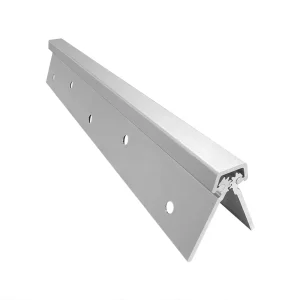
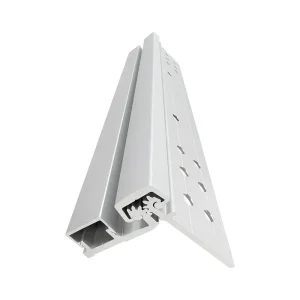
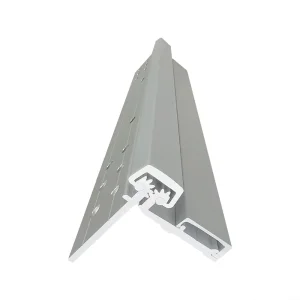
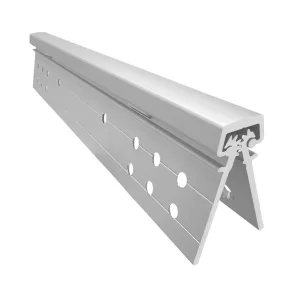
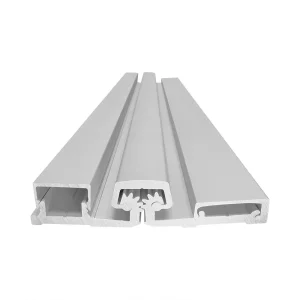
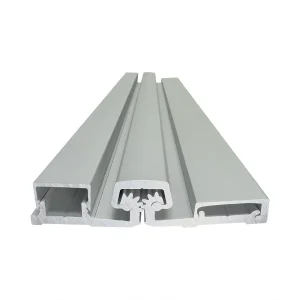
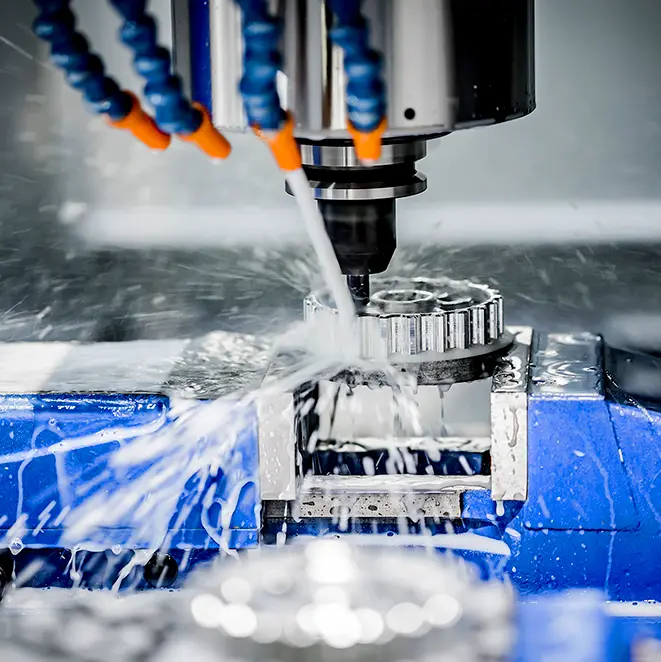
Direct factory supply featuring precision alignment, CE certification, and durable architectural profile integration.
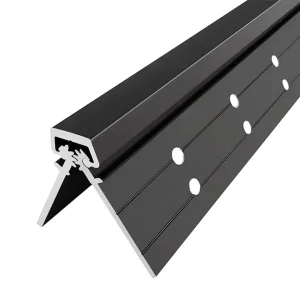
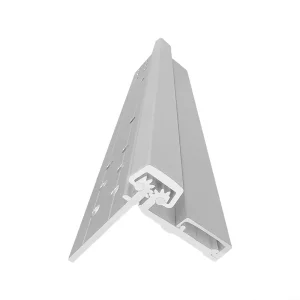
An analytical overview of structural engineering, metallurgical parameters, and regulatory compliance protocols for industrial door systems.
In modern industrial design, building access control, and mechanical enclosure systems, the selection of door hardware represents a critical intersection of safety, durability, and operational efficiency. Among the various configurations, aluminium lift-off hinges (also known as slip-joint or take-apart hinges) have emerged as the industry benchmark for high-performance and modular door panels. Unlike standard butt hinges, lift-off configurations allow the door or hatch panel to be removed quickly from the frame without tools, significantly speeding up routine maintenance, equipment installation, and structural cleaning.
From an architectural and engineering perspective, CE Certification is not merely a compliance checkmark—it is a vital validation of safety under the European Union Construction Products Regulation (CPR). Lift-off hinges subjected to CE Testing must satisfy rigorous standards such as EN 1935, which defines requirements for single-axis hinges. This testing evaluates mechanical durability, corrosion resistance, load-bearing capacities, and cycle counts. For system specifiers, purchasing CE-certified hinges ensures that the assemblies can withstand the mechanical stress of heavy usage while retaining their functional integrity under critical failure loads.
Integrating premium raw materials, advanced thermodynamic processes, and global engineering expertise.
Established in 2015 and located in Foshan City, Guangdong, LvXing Intelligent Equipment Co., Ltd. boasts a skilled R&D team with extensive experience. We leverage exceptional technical expertise to effectively transform customers' ideas into reality, consistently meeting their precise structural requirements.
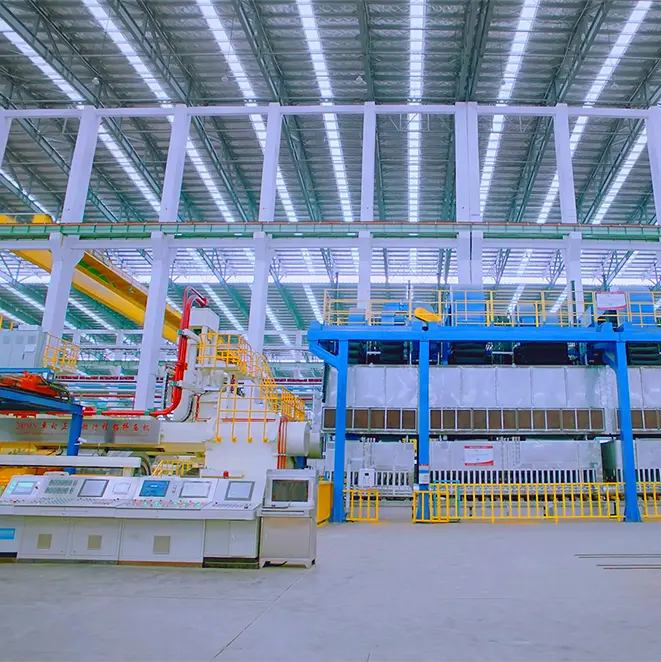
We utilize premium Fenglu aluminum, offering a diverse range of profiles for flexible applications. Our extrusion lines, ranging from 800T to 20,000T, accommodate alloys 1xxx, 2xxx, 3xxx, 5xxx, 6xxx, and 7xxx, allowing us to produce shaped products with section dimensions up to 1.2 meters in width and 28 meters in length. These products are recognized for their precision and meticulous processing, finding broad application in aerospace, military, medical, and industrial sectors.
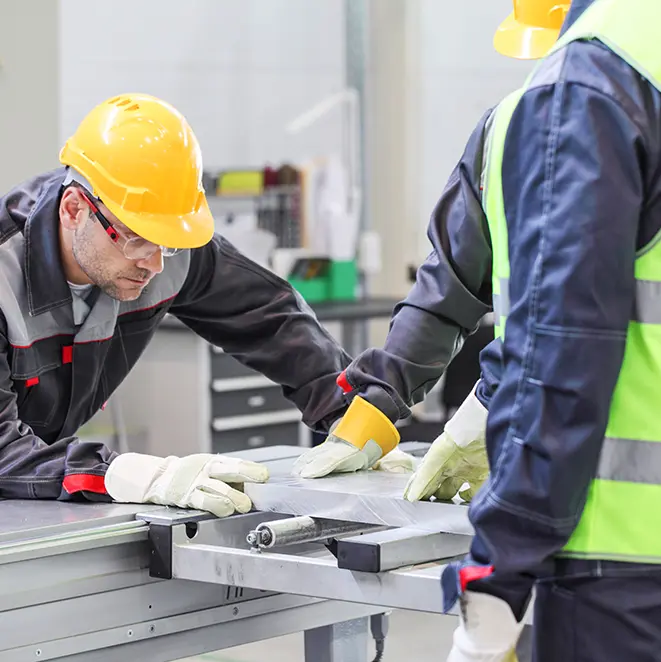
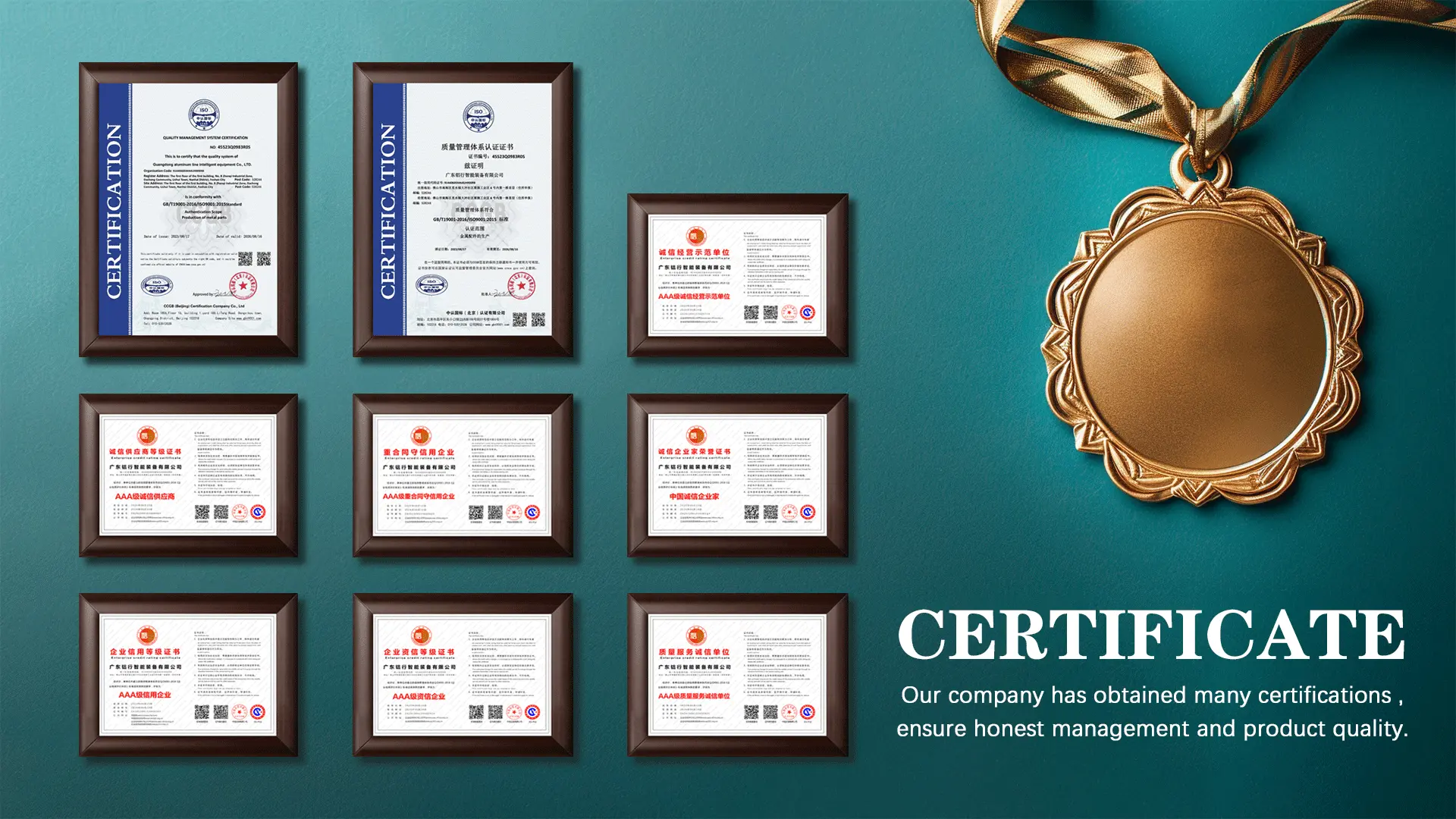
Our commitment to excellence is evident throughout the manufacturing process, rigorous quality control, thorough packaging, and efficient shipping procedures. This dedication has earned us recognition as a national excellent and honest enterprise, along with quality system certification in accordance with GB/T19001-2016 / ISO9001:2015 standards.
Translating advanced physical properties into durable physical hardware.
 Certified Premium Material
 Ultra-Wide & Extended Profiles
 Customer Idea Translation
Addressing mechanical requirements, supply reliability, and localized compliance standards.
Enterprise procurement departments sourcing architectural hardware must coordinate strict performance requirements with logistical efficiency. In critical industrial applications—such as marine panels, medical cleanrooms, military field installations, and railway transit systems—hinges represent potential points of mechanical failure. Industrial procurement specialists prioritize three key variables:
Verification of chemical composition, heat treatment certifications (e.g., T5 vs. T6 tempers), and independent mechanical cycle test certifications (EN 1935).
Analysis of maintenance costs, self-lubricating pin life, resistance to degradation under cleaning protocols, and ease of assembly replacement.
Assurance of structural profile consistency, secure logistics packaging, and prompt shipping schedules to minimize supply-chain bottlenecks.
| Application Sector | Primary Technical Requirement | Material Configuration | Surface Treatment Recommendation |
|---|---|---|---|
| Aerospace Cabin Interiors | Extreme weight reduction, high tensile strength, non-combustibility | 7075-T6 / 2024-T3 Alloys | Hard Anodized Class 25 |
| Medical & Semiconductor Cleanrooms | Zero particle generation, chemical cleaning agent resistance | 6063-T6 with Teflon-infused pin sleeve | Clear Satin Anodizing |
| Marine & Coastal Infrastructure | C5 corrosion resistance rating, structural stability | 5083 / 6082 Alloys | Polyester Powder Coat / Heavy-duty Anodized |
| Military Mobile Enclosures | High shock tolerance, reliable lift-off functionality under debris | 6082-T6 with Stainless Steel (316) pins | Olive Drab Anodizing |
Understanding raw material indexes, structural complexity, and bulk ordering terms.
Developing an accurate project budget requires an understanding of how raw material inputs, secondary processing, and volume tiering affect unit pricing. When reviewing a manufacturer's pricelist, several cost drivers should be analyzed:
Standard 6000-series structural alloys are typically linked to London Metal Exchange (LME) base metal index rates. Upgrading to aerospace-grade 7000-series alloys, or specialized 2000-series compositions, introduces premiums due to heat-treatment (e.g., T6 aging processes) and mechanical processing cycles.
Simple extruded hinges cut to length are cost-effective but may lack precision alignments. Premium industrial lift-off hinges undergo detailed CNC post-machining to drill fixing holes, recess mounting plates, and mill friction surfaces. This maintains exact spatial tolerances within ±0.05 mm.
The choice of the structural hinge pin is critical. Standard carbon steel pins are economical but vulnerable to oxidation. Upgrades include Grade 304 or 316 Stainless Steel pins, often paired with self-lubricating PTFE/POM (Delrin) sleeves to eliminate metal-to-metal wear and lower noise.
Chemical treatment steps affect corrosion resistance and cost. Anodized coatings range from standard Class 10 (10-micron film) to architectural Class 25 (25-micron film). Highly corrosive marine environments or aggressive medical cleanings require advanced finishes that command a price premium.
Answers to common technical, regulatory, and sourcing questions about industrial lift-off hinges.
CE Certification for single-axis hinges is governed by the EN 1935 European standard. Testing requires the hinge to successfully pass dynamic cycle tests (200,000 cycles under simulated load conditions), static load tests, and corrosion resistance testing (measured via neutral salt spray exposure). Additionally, the manufacturing facility must maintain a verified Factory Production Control (FPC) system under regular third-party audits.
6000-series alloys (like 6063 and 6082) are magnesium-silicon formulations that offer good corrosion resistance, weldability, and extrudability. They are standard for heavy commercial doors. 7000-series alloys (such as 7075) incorporate zinc as the main alloying element, providing exceptional yield strength comparable to steel. 7000-series is typically specified for aerospace structures and military applications where weight reduction is prioritized over material cost.
Hinge deflection (or door sag) is minimized by: increasing the outer knuckle diameter, using high-tensile stainless steel pins instead of brass or mild steel, and utilizing high-performance polymer sleeves (like POM or carbon-filled PTFE). Precise manufacturing tolerances, such as those within ±0.05 mm, also ensure a tight structural alignment that prevents play over time.
Aluminum hinges weigh approximately 65% less than their stainless steel counterparts, reducing the overall weight of complex structures like vehicle bodies and machinery enclosures. Aluminum also supports intricate extrusion shapes that allow for integrated cable channels or complex mounting profiles. When properly anodized, it provides excellent corrosion resistance at a lower total cost than machined 316 stainless steel.
For custom configurations, the design and tooling phase (including CAD drafting and die trial extrusion) takes about 14 to 21 days. Once the sample is approved, bulk production typically ranges from 15 to 25 days depending on the surface treatment and processing steps required. Standard profile modifications can often be completed faster using existing dies.
Contact our design and sales team for volume discounts, customized sizing configurations, and sample testing programs.
 LvXing Hinges