In the realm of global trade, understanding the nuances of "Continuous Hinge" systems is essential. Industry expert Jonathan Smith, a leading figure in mechanical design, once remarked, “The right hinge can define the quality of a product.” His insight underscores the critical role hinges play in functionality and durability.
For traders navigating international markets, choosing the right Continuous Hinge can significantly impact product performance. These hinges provide seamless movement and enhanced strength. However, selecting a quality hinge requires attention. Not all hinges are created equally. Variability in materials and design needs scrutiny. Knowledge of specifications is vital.
Traders should consider both supplier reliability and product standards when purchasing Continuous Hinges. Relationships with manufacturers can affect quality assurance. A reliable supplier not only provides a product but also essential support. In such a competitive landscape, securing the right Continuous Hinge can lead to greater market success. It demands thoughtful evaluation and, at times, a willingness to seek expert guidance.
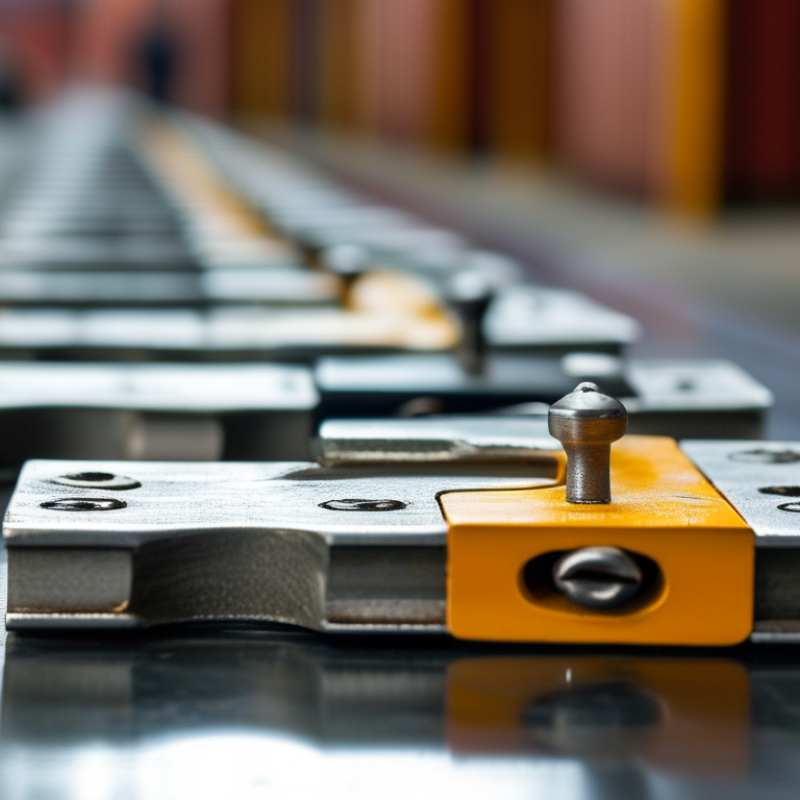
Continuous hinges are an essential component in various industries, providing durability and reliability. They are often used in heavy doors, cabinets, and equipment. According to industry reports, the global market for continuous hinges is expected to grow significantly, driven by an increasing demand for sturdy, long-lasting products. The ongoing push for innovation has led manufacturers to explore new materials, enhancing their offerings.
Traders should be aware of the key attributes that define continuous hinges. Critical factors include load capacity, corrosion resistance, and ease of installation. A detailed technical analysis indicates that hinges with a higher number of knuckles significantly reduce stress and wear over time. Industry experts suggest that understanding these elements is crucial for making informed purchasing decisions.
An area for reflection involves the balance between cost and quality. While cheaper options may seem appealing, investing in high-quality continuous hinges can lead to greater longevity. Reports indicate that over 70% of hinge failures stem from poor construction or material choice. Traders must weigh immediate financial savings against long-term durability and reliability. They should prioritize sourcing hinges from reputable manufacturers who adhere to stringent quality standards.
This chart illustrates the usage trends of continuous hinges among different regions globally, measured in tons. It highlights the most significant markets for continuous hinges, with Asia leading the usage significantly.
When selecting continuous hinges for global trade, several key considerations arise.
Material choice is critical. Stainless steel is often preferred for its durability.
According to industry studies, corrosion resistance can extend the lifespan of hinges by up to 30%.
However, using other materials may lead to cost savings. Traders need to balance durability with budget constraints.
Another vital factor is the hinge size.
Precision in measurements ensures a proper fit. Dimensions that are slightly off can result in operational failures.
A recent report indicated that improper sizing leads to a 15% increase in maintenance costs.
Additionally, the weight-bearing capacity should align with the application.
Overloading hinges can cause early wear and functional issues.
Global standards vary, yet compliance remains essential. Certain regions may have specific regulations for hinge specifications.
Familiarity with these requirements helps avoid costly delays.
Misalignment with local standards can affect trade efficiency. Frequent updates to guidelines also demand continuous educative efforts from traders.
This highlights the need for ongoing research and adaptation in hinge selection strategies.
When selecting a continuous hinge, material choice is crucial. Different materials offer various benefits and drawbacks. For example, steel hinges are strong and durable. They can withstand heavy loads but may rust without proper treatment. Stainless steel is more resistant to corrosion, making it ideal for outdoor applications. However, it can be more expensive.
Aluminum is a lightweight option that offers good strength and corrosion resistance. It is suitable for less demanding applications. Plastic hinges can be more affordable but usually lack the durability of metal options. They work well for lightweight doors but may not last long under heavy use.
Durability is not just about materials; it also involves design. A continuous hinge should have a seamless construction to prevent bending. Moreover, consider the environment where the hinge will be used. Extreme temperatures and humidity can significantly impact performance. These factors might make you rethink your initial choice. It's essential to evaluate the specific needs of your project before making a decision.
Installing continuous hinges requires careful attention to detail. Proper alignment is crucial for functionality. Any misalignment can lead to uneven wear and malfunction. Measure accurately before installation, using a level to ensure the hinge fits perfectly. If the hinge is slightly off, it may create unnecessary friction, which can shorten its lifespan.
Additionally, surface preparation is vital. Ensure that both the hinge and the mounting surfaces are clean and free from debris. A smooth surface will help with adhesion and secure fitting. Use appropriate fasteners that are compatible with your hinge type. Sometimes, inadequate fasteners can compromise the hinge's integrity over time.
After installation, test the hinge by opening and closing the door multiple times. Listen for any unusual sounds, as they might indicate potential issues. It’s essential to regularly inspect the hinge for signs of wear or damage. Addressing minor problems early can prevent more significant issues later on. Keep in mind that every installation is a learning experience. Adjusting your technique based on previous outcomes will enhance your future projects.
Sourcing continuous hinges globally can be a challenging task. There is a vast range of suppliers, each with different standards of quality and service. According to a recent industry report, 47% of traders express concerns about the reliability of international suppliers. It’s crucial to carefully evaluate potential partners to ensure product quality matches industry requirements.
Tip: Investigate supplier credentials. Certifications can indicate a supplier's commitment to quality.
Pay attention to the materials used in continuous hinges. Top-rated suppliers often utilize stainless steel or advanced composites that resist corrosion. This attention to detail can prevent issues down the line, such as hinge failure or excessive wear, which 35% of companies reported experiencing in previous trades.
Tip: Request samples before making bulk orders. Test their functionality in various conditions.
Communicating effectively with suppliers is vital. Barriers in language or time zones can lead to misunderstandings. Some traders have reported delayed projects due to unclear specifications. Building a strong relationship through transparency can mitigate these risks significantly.
Tip: Keep dialogue open and regular. It helps in forging a reliable partnership.
| Supplier Region | Material Options | Quality Certification | Minimum Order Quantity | Price Range (per unit) |
|---|---|---|---|---|
| Asia | Stainless Steel, Aluminum | ISO 9001 | 100 units | $0.50 - $1.50 |
| North America | Mild Steel, Zinc-Plated | ASTM, ISO 9001 | 50 units | $0.75 - $2.00 |
| Europe | Stainless Steel, Plastic | CE Marked, ISO 9001 | 200 units | $1.00 - $3.00 |
| Oceania | Aluminum, Brass | ISO 14001 | 150 units | $0.80 - $2.50 |
: Continuous hinges are used in heavy doors, cabinets, and equipment. They provide durability and reliability.
Load capacity is crucial. It ensures that hinges can support the weight of the application without early wear.
Material choice greatly impacts durability. Stainless steel offers corrosion resistance, extending hinge lifespan by up to 30%.
Improper sizing can lead to higher maintenance costs. Even small discrepancies can cause operational failures.
Proper alignment during installation prevents uneven wear. Misalignment can create friction, shortening the hinge's lifespan.
Consider material, size, and compliance with local regulations. These factors can impact durability and efficiency.
Poor construction leads to many hinge failures. Quality products ensure better longevity and reliability over time.
Routine checks can catch signs of wear early. Addressing minor issues can prevent more significant problems later.
Unusual sounds may indicate potential issues. Testing the hinge after installation helps identify and fix problems early.
Each installation is a learning opportunity. Adjusting techniques based on outcomes improves future projects.
The article "Continuous Hinge Buying Guide Top Tips for Global Traders" provides a comprehensive overview for traders looking to select and source continuous hinges globally. It begins with an introduction to what continuous hinges are and their significance in various applications. Key considerations for selecting the right continuous hinge include evaluating material and durability to ensure it meets specific operational needs.
Moreover, the guide offers installation tips to guarantee the functionality and longevity of the hinges, emphasizing the importance of proper techniques. Finally, it highlights strategies for navigating supplier options effectively, aiming to help traders find high-quality continuous hinges in the global market, catering to diverse requirements across different sectors.

LvXing Hinges