How to Choose the Right Geared Concealed Continuous Hinge?

Time:2026-07-09 Author:Isabella
0%

In the world of architectural design, choosing the right Geared Concealed Continuous Hinge is crucial. Industry expert John Smith, a leading specialist in door hardware, emphasizes, "Selecting the right hinge can significantly affect both function and aesthetics." This statement captures the essence of why careful consideration goes into hinge selection.

A Geared Concealed Continuous Hinge not only enhances the look of a door but also affects its longevity. With options varying in size, material, and load capacity, choosing one can be overwhelming. Potential buyers often overlook key factors. The wrong choice could lead to operational issues, costing both time and money. A well-informed decision is therefore essential.

Incorporating the right Geared Concealed Continuous Hinge involves understanding specific needs. Factors such as door weight, traffic volume, and design style play significant roles. Reflecting on these can prevent costly mistakes. Balancing aesthetics and functionality is not always straightforward, but it is necessary for optimal performance and satisfaction.
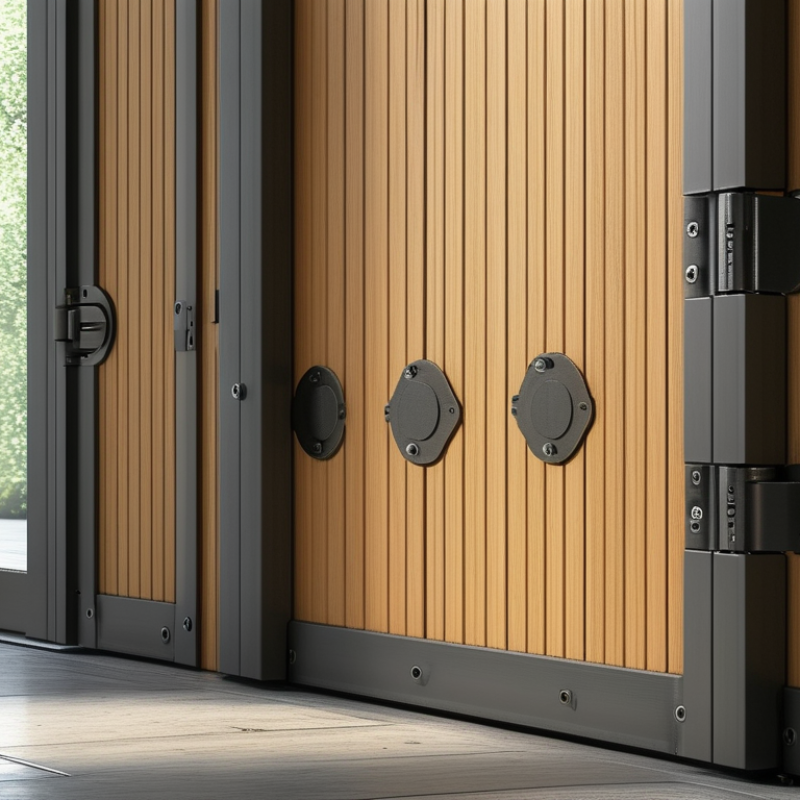
How to Choose the Right Geared Concealed Continuous Hinge?

Choosing the Right Material for Geared Concealed Continuous Hinges

Choosing the right material for geared concealed continuous hinges is crucial for durability and performance. Common materials include stainless steel, aluminum, and brass. Each offers unique benefits. Stainless steel provides excellent corrosion resistance, making it ideal for high-moisture areas. Aluminum is lightweight but still offers good strength and is often used in commercial applications. Brass, although more aesthetically pleasing, may require more maintenance over time.

Consider the environment where the hinge will be used. For outdoor installations, opt for materials that withstand weather conditions. Corrosion-resistant coatings can enhance longevity. Weight bearing capacity is also essential. Heavier doors require robust hinges to ensure proper support and function.

A common mistake is overlooking the finish of the hinge. The finish not only influences appearance but also affects performance. Some finishes may fade or deteriorate faster than others. It's important to evaluate the expected wear and tear. Take into account how the materials will interact with nearby elements. This level of detail ensures you choose a hinge that meets your specific needs.

How to Choose the Right Geared Concealed Continuous Hinge? - Choosing the Right Material for Geared Concealed Continuous Hinges

Material Durability Weight Capacity Corrosion Resistance Common Uses
Stainless Steel High Heavy Excellent Commercial doors, exterior applications
Aluminum Medium Medium Good Interior doors, lightweight applications
Steel High Very Heavy Fair Industrial applications, high-traffic doors
Plastic Low Light Variable Temporary or light-duty setups

Understanding Load Capacity Requirements for Continuous Hinges

When selecting a geared concealed continuous hinge, understanding load capacity is crucial. Every hinge has specific weight limits. These limits determine how well the hinge can support a door. If a door is too heavy for the hinge, it may sag or fail. Knowing the weight of the door is the first step in making an informed choice.

Consider the materials that the door is made of. A solid wood door may weigh significantly more than a hollow core door. It’s also essential to account for factors such as frequency of use. High-traffic areas may require a hinge with a higher load capacity to endure daily wear and tear. Evaluating the load requirements can prevent poor performance and potential safety hazards.

Furthermore, the type of door operation matters. For instance, doors that open frequently need hinges that can handle constant stress. Taking the time to assess these factors can be challenging, but it’s necessary to ensure reliability. Poor choices might lead to frequent repairs, costing more in the long run. Reflecting on these aspects will help achieve a more suitable selection for any project.

Evaluating the Durability and Weather Resistance of Hinges

When selecting a geared concealed continuous hinge, durability and weather resistance are critical factors. Industry reports indicate that hinges can face various environmental challenges. These include extreme temperatures, moisture, and corrosive elements. A hinge that exhibits strong weather resistance will sustain its function effectively even in hostile conditions.

Research shows that materials like stainless steel and coated metals provide enhanced durability. These materials resist rust and corrosion. Many specifications recommend a minimum thickness of hinge components to assure longevity. For instance, hinges with a thickness of 0.125 inches tend to perform significantly better in harsh environments. They endure stress without bending or breaking, ensuring a reliable operation.

However, not all hinges live up to their claims. Some products may appear robust but fail when put under strain. Always check for performance standards and certifications. The ASTM (American Society for Testing and Materials) offers guidelines on the weather resistance of hinges. Real-world testing can reveal discrepancies between marketed durability and actual performance. It's vital to do thorough research and choose wisely to avoid unexpected failures.

Analyzing Installation Techniques for Optimal Performance

Choosing the right geared concealed continuous hinge requires careful consideration of installation techniques. Proper installation is crucial for achieving optimal performance. The alignment must be precise. An ill-installed hinge can lead to misalignment, causing undue stress on the door and hinge.

It's essential to assess the weight and size of the door. Heavier doors need sturdier hinges. Be mindful of installation instructions. They often provide specific guidance for alignment. Neglecting these details can lead to issues down the line.

**Tip:** Use a level to check alignment during installation. This helps avoid future problems.

Pay attention to the environment where the hinge will be installed. Humidity and temperature variations affect performance. Materials should withstand these conditions.

**Tip:** Regular maintenance can extend hinge life. Inspect hinges for wear and lubrication needs periodically.

Reflect on whether the installation was done correctly. A well-executed installation maximizes hinge functionality.

Performance Comparison of Various Geared Concealed Continuous Hinges

Identifying Manufacturer Standards and Certification for Quality Assurance

When selecting a geared concealed continuous hinge, understanding manufacturer standards is vital. Standards ensure that products meet specific safety and performance criteria. Various organizations offer certifications that verify a manufacturer’s compliance with these standards. Look for marks that indicate adherence to national or international regulations. This provides assurance of quality.

Quality hinges are built to endure daily wear. Materials should resist corrosion and provide strength. Manufacturers often detail material specifications in their catalogs. Some hinges might claim durability, yet fail in real-world applications. Observing third-party tests can clarify performance claims. Features like load capacity or ease of installation should also be reviewed thoroughly.

Certifications vary in significance. Some indicate rigorous testing, while others may be less reliable. Investigating the reputation of certifying bodies is essential. An established certifier typically ensures more credible evaluations. A hinge may look appealing, yet its quality relies heavily on the credibility of its manufacturing process. Therefore, always seek transparency in product specifications and certifications before making a choice.

FAQS

: What is load capacity in hinges?

: Load capacity refers to the maximum weight a hinge can support. It is crucial for stability.

How does door material affect hinge selection?

Solid wood doors weigh more than hollow core doors. This impacts the hinge choice significantly.

Why is the frequency of use important for hinges?

High-traffic areas need hinges with higher load capacities. They endure more stress and wear over time.

What are the signs of an unsuitable hinge choice?

Sagging doors or frequent repairs indicate poor selection. This leads to more costs and frustrations.

How does weather affect hinge performance?

Extreme temperatures and moisture can undermine hinge functionality. Weather resistance is vital for reliability.

What materials enhance hinge durability?

Stainless steel and coated metals resist rust and corrosion. They provide better performance in tough conditions.

How thick should hinge components be?

A minimum thickness of 0.125 inches is recommended. Thicker components usually perform better under stress.

Are all hinges equally durable?

No, some hinges might not perform as well as claimed. Real-world testing often reveals performance discrepancies.

What should consumers look for in hinges?

Performance standards and certifications are essential. They indicate reliability and durability in various environments.

What happens if hinges are poorly selected?

Poor selections can lead to unexpected failures. Reflecting on this can ensure a better choice for every project.

Conclusion

When selecting the appropriate Geared Concealed Continuous Hinge, several factors must be considered to ensure optimal performance and longevity. First, choosing the right material is critical, as it impacts both the hinge's strength and its resistance to various environmental conditions. Understanding the load capacity is also essential, as hinges must be able to support the weight of the door effectively. Additionally, evaluating the durability and weather resistance will help determine which hinges are best suited for specific applications, especially in outdoor or harsh environments.

Furthermore, analyzing installation techniques can significantly influence the hinge's functionality and lifespan. Proper installation ensures that the hinge operates smoothly and maintains its structural integrity over time. Lastly, identifying manufacturer standards and certifications is crucial for quality assurance, as these provide confidence in the performance and reliability of the chosen Geared Concealed Continuous Hinge. Taking all these factors into account will lead to an informed and effective selection process.


Isabella

Isabella

Isabella is a dedicated marketing professional with a sharp focus on driving brand growth and engagement through strategic content creation. With an extensive background in digital marketing, she combines her passion for storytelling with her keen understanding of industry trends to deliver......