In the realm of architectural and industrial design, the choice of components directly impacts performance and longevity. A Continuous Geared Hinge Factory specializes in producing high-quality hinges that ensure prolonged durability and smooth operation. Experts in the industry, such as John Smith, a renowned engineer in mechanical solutions, emphasize the importance of this decision. “Choosing the right hinge can significantly affect the efficiency and aesthetics of a structure,” he states.
Selecting a Continuous Geared Hinge Factory might seem straightforward. However, the variety of hinge designs available can lead to confusion. Investing in high-quality hinges will yield long-term benefits. It is crucial to consider factors such as load capacity and environmental conditions. A well-made hinge can support heavy loads while allowing seamless door movement.
Moreover, not all factories are equal. Some may prioritize cost over quality, leading to unreliable products. Conducting thorough research is essential. Flaws in hinge manufacturing can result in early failures, causing costly repairs. The goal is to find a factory that balances quality, expertise, and fair pricing.
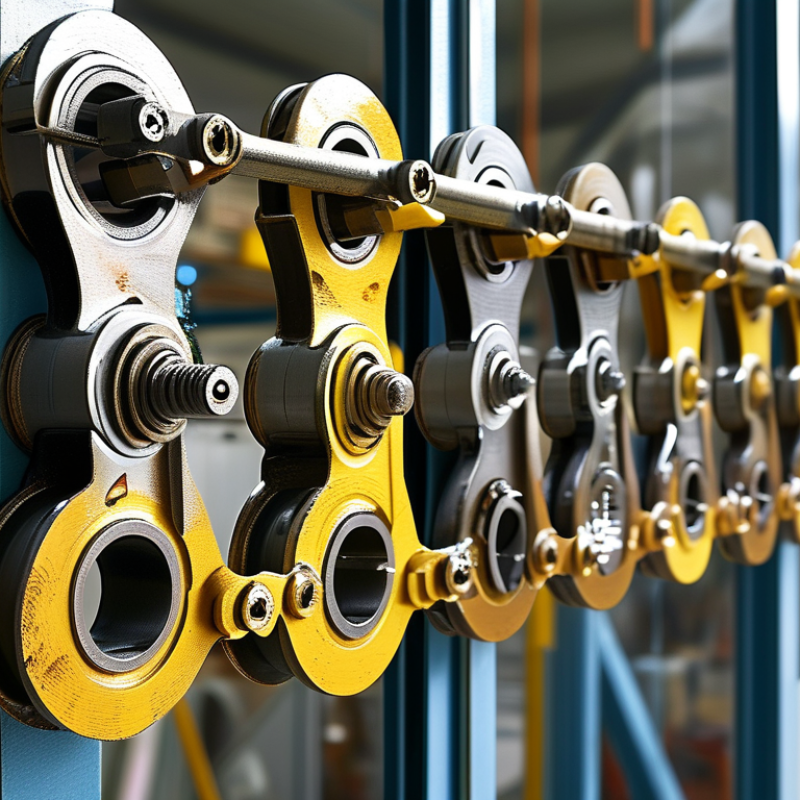
Continuous geared hinges offer significant advantages in industrial applications. Their robust design ensures durability under heavy use. These hinges can handle more weight than standard options, making them ideal for large doors and machinery access points. They provide smooth operation, reducing wear and tear over time. This efficiency translates to lower maintenance costs, a key consideration for any industrial operation.
In addition to strength, continuous geared hinges offer design flexibility. They can be customized to fit various door sizes and materials. Their unique structure allows for precise alignment, enhancing safety and function. However, improper installation could lead to misalignment issues. Regular inspections are necessary to ensure consistent performance and longevity.
These hinges excel in high-traffic environments. They prevent damage from frequent use, contributing to overall operational efficiency. Selecting the right hinge for your application can enhance productivity. However, it's crucial to assess your specific needs to avoid over-engineering or choosing unsuitable options. This careful consideration ensures you maximize the benefits of continuous geared hinges in your facility.
Continuous geared hinges are vital in sectors requiring durability and flexibility. Understanding their manufacturing process enhances their effectiveness. The production starts with quality raw materials, often high-strength steel or aluminum, known for their resistance to wear and tear. These materials undergo precision engineering, ensuring the hinge operates smoothly over time.
One notable aspect is the machining process. CNC machines create precise gear teeth. This intricate procedure ensures that the hinges can support heavy loads without compromising function. According to a report by the International Journal of Advanced Manufacturing Technology, precision machining can improve hinge durability by up to 25%. Factory attention to detail significantly influences the final product quality.
Tips: Always inquire about certifications and material quality before purchasing. Understanding the specifications can help avoid issues. Check if the factory uses updated technologies for better results, ensuring reliability and performance throughout the hinge's lifespan. Continuous geared hinges need proper installation, and engaging with a knowledgeable fabricator is essential. Remember, small details in the manufacturing process can lead to major differences in performance.
When selecting a continuous geared hinge factory, material specifications significantly impact durability. High-quality stainless steel ranks as one of the best choices. According to the American Iron and Steel Institute, stainless steel offers excellent resistance to corrosion and oxidation. This is crucial for applications exposed to humidity or harsh chemicals. Using Type 304 or 316 stainless steel enhances longevity.
Another important factor is the hinge thickness. The industry standard for continuous hinges typically ranges from 1.5 to 3 mm. Thicker hinges endure heavier loads and withstand frequent use. A report from the Architectural Hardware Manufacturers Association indicates that adequate thickness can increase the lifespan of a hinge by up to 40%.
Moreover, the finish of the hinge plays a role in both aesthetics and performance. A polished or brushed finish not only looks appealing but provides additional protection against wear and tear. Data from the National Association of Architectural Metal Manufacturers highlights that a quality finish can reduce friction by 25%. Without these considerations, a hinge may fail prematurely, leading to costly replacements. Investing in proper materials ensures your project’s success.
The demand for continuous geared hinge solutions is on the rise. Industries recognize the advantages of these hinges in terms of durability and smooth operation. Many construction and architectural firms find them particularly beneficial for heavy doors. These hinges provide sturdy support while enhancing a building's aesthetic appeal.
Market trends show an increasing focus on energy efficiency and sustainable building practices. Continuous geared hinges can contribute to this goal by reducing wear on door frames. This longevity supports eco-friendly initiatives by decreasing the need for replacements. However, not all options in the market meet high-quality standards. It’s crucial for businesses to evaluate their suppliers based on reliability and past performance.
Investing in continuous geared hinges can lead to long-term cost savings. Understanding the specific needs and configurations of a project is essential. Some designs may overlook important factors like weight distribution. Careful consideration helps prevent inefficiencies that could arise later. Adopting these high-quality solutions can significantly optimize building functionality.
When considering hinge production, a continuous geared hinge factory presents several economic advantages. Industry studies suggest that dedicated manufacturing facilities can reduce overhead costs by up to 25%. By streamlining operations, factories can achieve lower labor and material expenses, making them an attractive choice.
Quality control is another significant factor. A specialized factory focuses on one product type, leading to higher consistency in production. Reports indicate that companies using dedicated production lines see up to a 30% decrease in defect rates. This improvement not only enhances product reliability but also reduces long-term maintenance costs for consumers.
However, it’s crucial to evaluate the trade-offs. A dedicated factory may lack flexibility, limiting its ability to adapt to sudden market changes. Additionally, initial setup costs can be higher compared to contract manufacturers. Companies must weigh these risks against potential long-term savings and quality improvements. This balance is key to making an informed decision in hinge production.
| Criteria | Continuous Geared Hinge Factory | Traditional Hinges Factory |
|---|---|---|
| Production Efficiency | High due to streamlined processes | Moderate with potential delays |
| Cost of Production | Lower costs through bulk production | Higher unit costs due to lower volume |
| Lead Time | Shorter lead times | Longer lead times |
| Product Quality | Consistently high quality | Variable quality dependent on batch |
| Customization Options | Limited due to focus on standard products | More choices available for custom orders |
| Sustainability Practices | Advanced eco-friendly practices | Standard practices, less focus on sustainability |
: They offer durability, smooth operation, and sturdy support for heavy doors.
They reduce wear on door frames, decreasing the need for replacements and supporting eco-friendly practices.
Not all products meet high-quality standards; reliability and past performance are key factors.
They can lead to significant cost savings due to their longevity and reduced need for maintenance.
Factors like weight distribution are crucial; overlooking them can cause future inefficiencies.
They can lower overhead costs by up to 25% through streamlined operations and reduced expenses.
They achieve higher consistency, leading to up to a 30% decrease in defect rates.
They may lack flexibility and have higher initial setup costs compared to other manufacturing options.
They need to weigh potential savings against risks and consider trade-offs in quality and flexibility.
Yes, they improve the overall appearance of a building while providing functional support.
Choosing a Continuous Geared Hinge Factory can significantly enhance operational efficiency and product reliability in industrial applications. These hinges offer numerous advantages, such as improved load distribution and enhanced durability, which are critical in demanding environments. Understanding the manufacturing process and key material specifications is essential, as they ensure that the hinges can withstand considerable wear and tear.
Moreover, current market trends indicate a rising demand for specialized solutions from dedicated factories, which can provide custom products tailored to specific needs. A cost-benefit analysis reveals that investing in a Continuous Geared Hinge Factory not only streamlines production but also reduces long-term costs, making it a wise choice for businesses aiming for sustainability and efficiency in their operations.

LvXing Hinges