When sourcing Aluminium Piano Hinges, the choice can significantly impact your project. These hinges are essential for their durability and smooth operation. They are widely used in various applications, from furniture to heavy doors. Understanding the market can lead to smarter selections.
The Aluminium Piano Hinge market is competitive. Quality varies, and it’s crucial to evaluate suppliers. Not all hinges are created equal, and some may not withstand heavy use. Price doesn’t always reflect quality. Be cautious about deals that appear too good to be true.
Finding reliable suppliers is a challenge. Research is necessary to identify reputable manufacturers. Look for companies with a strong track record. Consider seeking reviews and feedback from past clients. The right choice can enhance the longevity of your products.
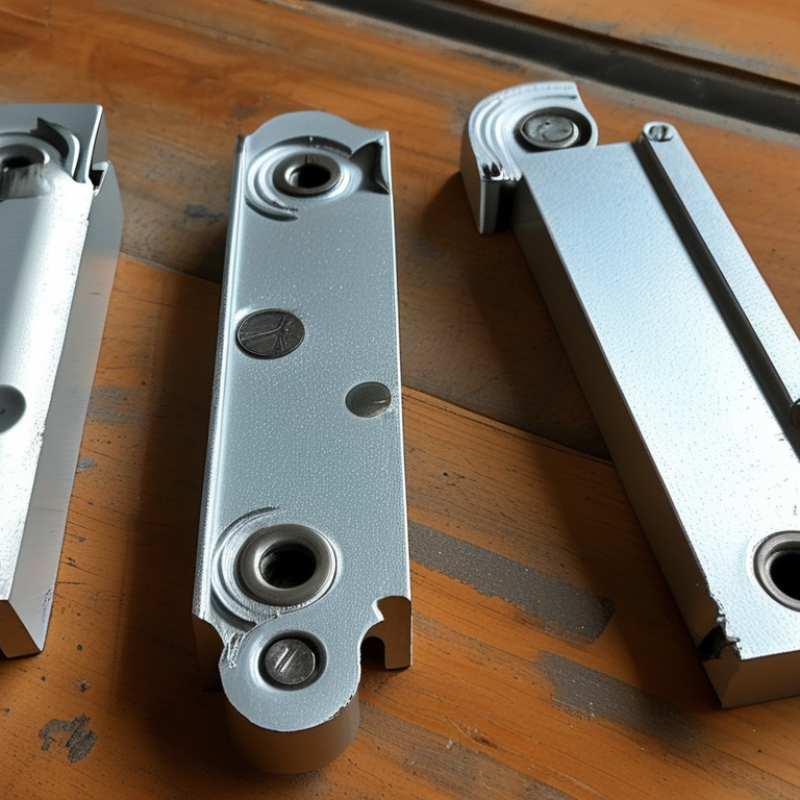
Aluminium piano hinges are versatile components used in various applications. They are long, continuous hinges made from high-quality aluminium, offering durability and strength. Their design allows for smooth movement, making them ideal for items like cabinets, doors, and electronic enclosures. These hinges often withstand heavy usage, proving invaluable in both residential and industrial settings.
When sourcing aluminium piano hinges, understanding their specific applications is crucial. For instance, in heavy-duty machinery, hinges need to handle weight and maintain functionality over time. However, not all options may meet these standards. Inspecting load ratings and material quality helps ensure reliability. Additionally, consider the environment where the hinge will be used, as exposure to moisture or temperature variations can affect performance.
While searching for the right hinge, it's important to reflect on your needs thoroughly. A hinge might look strong but may not suit every situation. Testing prototypes in different environments is often necessary to evaluate performance. Misguided assumptions can lead to poor choices, resulting in inadequate functionality. Countering this challenge requires diligent research and testing, ultimately leading to informed sourcing decisions.
When sourcing aluminium piano hinges, several key factors define the quality and performance of your choice. The material's strength and corrosion resistance must meet industry standards. Reports indicate that high-grade aluminium can withstand stress while remaining lightweight. The average tensile strength of aluminium alloys ranges from 200 to 600 MPa, making them suitable for various applications.
Understanding the manufacturing process also plays a crucial role. Look for suppliers who utilize advanced techniques such as CNC machining and automated welding. These methods ensure precise dimensions and enhance durability. A recent study showed that products crafted using these technologies have a failure rate significantly lower than those made with traditional methods.
Logistics and supply chain reliability are often overlooked but essential. Global sourcing means considering lead times and shipping costs. The average lead time for aluminium components can fluctuate between 4 to 12 weeks, depending on location and availability. Monitoring these factors can avert disruptions in your production cycle. Opt for suppliers with a proven track record of timely delivery and quality assurance. Ignoring these elements might lead to costly delays and project setbacks.
When sourcing aluminium piano hinges, quality standards vary widely. It's crucial to evaluate the material used for durability. Look for hinges made from high-grade aluminium alloys. These alloys resist corrosion and wear, extending the lifespan of the hinge. Additionally, consider the thickness and gauge of the hinges. A thicker hinge can support heavier loads, making it suitable for demanding applications.
Another key aspect is the finish. A good finish enhances appearance and contributes to longevity. Anodized or powder-coated finishes are popular choices. They protect against scratches and environmental damage. Inspect the hinges for any signs of defects or poor workmanship. Visual checks, such as assessing edges and alignment, can reveal important quality information.
Certifications also play a vital role in sourcing. Seek manufacturers with certifications that adhere to industry standards. These indicators often reflect a commitment to quality and safety. Engaging with suppliers about their processes can yield further insights. It’s essential to maintain a critical eye. Not all suppliers prioritize quality, and some may rush production. Ensuring that your chosen supplier meets established standards can prevent future headaches.
When sourcing aluminium piano hinges globally, pricing strategies play a crucial role. A recent industry report indicated that over 40% of purchasers cite price as their primary decision factor. It's essential to analyze market trends, as fluctuating raw material costs directly impact hinge pricing. For example, during the past year, aluminium prices saw a significant rise of about 25%, affecting product costs and sourcing decisions.
Geographic factors also influence pricing strategies. Sourcing from countries with lower manufacturing costs can yield savings. However, it's important to consider the trade-offs, such as transportation expenses and potential delays. A study by the International Trade Centre revealed that shipping costs can increase the final price by as much as 15%. Buyers must balance these factors when determining their sourcing approach.
Quality assurance remains vital in global sourcing. Cheaper options may compromise quality and durability. Reports indicate that 30% of lower-cost piano hinges fail to meet industry standards, leading to increased replacement costs. Evaluating suppliers on these aspects can prevent future financial loss. Understanding these pricing dynamics helps buyers make informed decisions in a competitive market.
| Supplier Location | Material Quality | Price per Unit (USD) | Minimum Order Quantity | Lead Time (Days) |
|---|---|---|---|---|
| North America | High Strength Aluminum | $2.50 | 100 | 14 |
| Europe | Standard Grade Aluminum | $1.80 | 200 | 21 |
| Asia | Reinforced Aluminum | $1.50 | 300 | 30 |
| South America | Aluminum Alloy | $2.00 | 150 | 18 |
| Oceania | Marine Grade Aluminum | $2.75 | 100 | 15 |
When sourcing aluminium piano hinges globally, identifying reliable suppliers is crucial. Start by researching potential manufacturers. Look for their experience in the industry. Check relevant certifications and quality standards they adhere to. Reliable suppliers often showcase their manufacturing processes. A clear process indicates professionalism and trustworthiness.
Tips: Engage in direct communication with suppliers. Asking specific questions can reveal their expertise. Inquire about their sourcing materials and production techniques. This not only shows your interest but also helps you gauge their knowledge. Take note of their response time; quick replies often reflect dedication.
Quality assessment is another important aspect. Request samples before making bulk orders. Pay attention to the hinge's durability and finish. Sometimes, even reputable suppliers can deliver inconsistent quality. A thorough verification process can save time and money later. Always prepare for the possibility of needing adjustments after initial orders. This approach encourages ongoing improvements in supplier relationships.
: Aluminium piano hinges are used in cabinets, doors, and electronic enclosures. They offer smooth movement and durability.
Check for high-grade aluminium alloys, thickness, and gauge. A thicker hinge can handle heavier loads.
A good finish enhances appearance and durability. Anodized or powder-coated finishes resist scratches and environmental damage.
Testing prototypes in various environments is crucial. Misguided assumptions can lead to poor performance.
Yes, exposure to moisture or temperature changes affects hinge performance. Assess the intended location for use.
Seek suppliers with industry-standard certifications. This reflects their commitment to quality and safety.
Conduct visual checks for alignment and edge quality. Look for any signs of poor workmanship.
Yes, not all suppliers prioritize quality. A critical eye can prevent future issues with hinge performance.
No, not all hinges are suitable. It’s vital to verify their load ratings for specific applications.
When sourcing Aluminium Piano Hinges, it is essential to understand their characteristics and various applications in different industries. These hinges are known for their durability and flexibility, making them ideal for doors, cabinets, and equipment that require reliable movement.
Key factors to consider include the quality standards that the Aluminium Piano Hinges must meet, which can vary by region and application. Pricing strategies should also be evaluated, as they can significantly impact budget considerations in global sourcing. Finally, choosing reliable suppliers who can provide consistent quality and adherence to safety regulations is crucial for successful procurement. By focusing on these aspects, businesses can make informed decisions and secure quality Aluminium Piano Hinges for their needs.

LvXing Hinges